|
|
|
|
|
|
 |
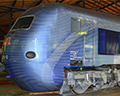
German Museum of Technology (Deutsches Technikmuseum) – The real name for this museum should be "the incredible railway museum."
The museum is an old converted roundhouse, and in it you'll find steam trains
from the 1840's, huge steam locomotives, early electric trains, the personal
car of Kaiser Wilhelm II, WWII train cars. Also at the museum outdoors,
Dutch-style windmills, a water wheel, and blacksmith shop where you can
watch the blacksmith at work. Inside, there are exhibits of old-fashioned
TV's, radios and computers, plus mechanized looms. There are plenty of hands
on exhibits – things to push and pull. |
|
|
|
|
|
|
|
Tip: Museum is free with the Berlin Pass. |
|
|
|
|
|
|
|
Museum of Natural History (Museum fur Naturkunde) –
The Natural History Museum is a gem. As you walk into the main hall, a gigantic
brachiosaurus skeleton soars high above your head. Find your way to the
full-size dioramas where kids can see animals native to Europe. Check
out the exhibits of wild boar (a personal favorite), moose, red deer (complete
with sound effects), wolves, big horn sheep, bison, minks, lynx, etc. The
free audio tour in English explains all the animals. |
|
|
|
|
|
|
|
Tip: Museum of Natural History is free with the Berlin Pass. |
|
|
|
|
| |
|
|
Checkpoint Charlie Museum (Museum Haus am Checkpoint Charlie) – "You are leaving the American Sector." Checkpoint Charlie,
the infamous crossing point between East and West Berlin, conjures up
scenes of the Cold War. Today, all that's left is the East German watchtower,
a stark concrete curiosity in the midst of the now unified city. The museum
exhibits cover the history of the Berlin Wall, including stories and artifacts
of those who tried to escape from East to West Berlin. Especially vivid
is a small wooden cart used by 57 people to escape in a tunnel, or cars
with secret compartments for escapees. Don't miss the drawings made by
children when the Berlin Wall came down in 1989 – touching images
of a world without walls. Older kids will appreciate this museum.
|
|
|
|
|
|
|
|
Tip: Checkpoint Charlie Museum is free with the Berlin Pass. |
|
|
|
|
|
|
|
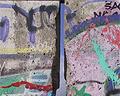
To see the largest standing section of the Berlin Wall,
go to Muhlenstrasse along the Spree River (near the Oberbaumbrucke). There
the wall has been painted by over a hundred artists from 21 different countries,
and is now called the East Side Gallery. When you look at the wall
today, it doesn't seem all that tall, but it's not hard to imagine the guard
dogs, electrical fences, trenches, watch towers, and machine guns that enforced
the division of the city. |
|
|
|
|
 |
 |
|
|
|
|
|
|
|
|
| |
|
|
 |
|
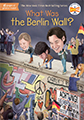
Illustrated history of Berlin, from capital of Germany in World War II, to the Berlin blockade, city divided into East and West in 1961, historic escapes, city reunited Nov. 9, 1989, plus photos and timeline. Good for older kids. (Chapter book)
|
|
|
|
|
|
| |
|
|
|
When the Berlin Wall goes up, a family is divided – father in the West, mother and children in East Berlin. The boy imagines how they could escape, and he starts to dig. (Picture book)
|
|
|
|
|
|
|
|
|
|
|
|
| |
|
|
 |
|
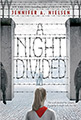
Summer
1961. Gerta's family lives in East Berlin - overnight, when the wall goes up, her family is separated. Four years later, Gerta spots her brother and father on the other side of the wall in West Berlin, and begins a dangerous plan to escape. An exciting novel that brings to life
a divided city. (Chapter book)
|
|
|
|
|
|
| |
|
|
|