|
|
|
|
| |
|
 |
Jasper |
|
|
|
|
|
|
 |
Hike
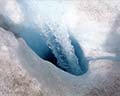
onto Prehistoric Ice (Columbia Icefields) – TheAthabasca, Stutfield and Dome glaciers at the Continental Divide
are known collectively as the Columbia Icefields. The enormous “field”
of prehistoric ice melts into rivers running to the Arctic, Pacific, and
Atlantic Oceans. A finger of the ice fields looms spectacularly close to
the highway. From the Adventure Centre you can take a “Snocoach”
tour (mid-April to mid-October). The Snocoach is a huge bus with tank like
rollers that goes right onto the glacier safe and comfortable, but
keeps you at arm's length. For a more up-close-and-personal experience,
even little kids can make the hike from the public parking lot up to the
ice on their own. Peer down into blue ice fissures – but use caution, people
have been known to fall into crevices. |
|
|
|
|
|
|
 |
Cathedral Mountain and The Spirals– Pull over and walk out on the observation platform. The railroads are still
the backbone of Canadian commerce so you may well catch sight of a enormously
long freight train threading through the mountain tunnels so that it seems
broken into two or three pieces. |
|
|
|
| |
|
|
Want to ride the train yourself? If you can forego a car, then this is the
time and way to do it, on the world-famous Rocky Mountaineer. The
ride between Jasper, Alberta and Kamloops, British Columbia has been called
the world's most spectacular train trip. Click here for the Rocky
Mountaineer. |
|
|
|
|
| |
|
 |
Drive up to Edith –That's Mt. Edith Cavell, south of Jasper. A winding road (about
40 minutes from Jasper) will bring you within sight of the Angel Glacier.
Leave your car and, in sturdy shoes, hike the trail right to the glacier.
Along the way, stop to read exhibits about the area. There are only rustic
"out houses" up here, but plenty of places for picnics. |
|
|
|
|
|
|
 |
Pitch a tent – There are ten campsites in the park, with almost
2,000 campsites, so no matter what your family thinks is the "ideal"
camping experience, you're bound to find it here. You can camp in wilderness
areas, or close into Jasper. In the
summer, Parks Canada presents outdoor theatre programs and you can also
sign-up for guided day hikes or backcountry trips. Click
here for information on campgrounds in Jasper National Park. |
|
|
|
|
| |
|
 |
Miette Hot Springs (Fiddle Valley) – These are the hottest hot springs in the Canadian Rockies. There are two
hot pools here, plus a cool pool as well, all supervised by lifeguards,
but accessible only in the warmer months. Bring a picnic and make a day
of it, taking time to follow the "Pocahontas Trail" (a
self-guided trek to the mining ghost town) or up to Ashlar Ridge for a spectacular view. |
|
|
|
|
| |
|
 |
Ski – Yes, yet another ski resort. Well, what did you expect in the Canadian
Rockies? Marmot Basin is famous for long, long runs and the competition
from, not other skiers but elk and deer. Discounted tickets for kids (under
6 are free!). Click
here for details on lift tickets, etc. |
|
|
|
|
| |
|
|
Tip: Place names tell many stories, and learning them will help you learn a lot about
what was important to early settlers: >Mt.
Athabasca (Cree for "where there are reeds") Mt.
Edith Cavell (honoring a British nurse executed in WWI for helping allied
prisoners escape) Mt. Kerkeslin (Stoney Indian word for wolverine) Mt. Henry MacLeod (a surveyor who searched for railway passes) Roche
Miette (French intrepretation of the Cree word for bighorn sheep: "myatuck,") Samson Peak (the Stoney who first drew a map to Maligne Lake) are
just a few. |
|
|
|
|
 |
 |
|
|
|
|
|
|
|
|
| |
|
|
 |
|
Fun facts about
these fascinating animals you'll see in Jasper National Park. A
moose is really just the largest deer, elk make lots of squealing
and grunting noises, mule deer hop with stiff legs like a rabbit.
Also, how to identify moose, mule deer, caribou and elk tracks.
(Picture book)
|
|
|
|
|
|
| |
|
|
|
Before
you spot a bear up close, find out about the habits of black bears
and grizzlies what they eat (honey and fruit, plants
and leaves, fish, deer), how fast they can run (up to 30mph),
natural predators (none). (Picture book)
|
|
|
|
|
|
|
|
|
|
|
|
| |
|
|
 |
|
Beavers
Deborah Hodge, Pat Stephens
At dawn or dusk,
look for beavers building their stick-and-mud dams and lodges in
the streams and ponds in the park. Read about what beavers eat,
how they move through the water, build dams and lodges, and how
to spot them. (Picture book)
|
|
|
|
|
|
| |
|
|
|
Story
of Little Beaver who doesn't have any beaver brothers or sisters.
When Little Beaver sets off across the lake to find a friend,
he meets up with a duck, an otter, a turtle, and a wise old beaver.
Wonderful illustrations. Fun for little ones.
(Picture book)
|
|
|
|
|
|
|
|
|
|
|
|
| |
|
|
 |
|
Eagles
Deborah Hodge, Nancy Gray Ogle
Get out your
binoculars to get a better look at the magnificent Bald and Golden
Eagles that live in Jasper National Park. How eagles fly, what eagles
eat (favorite food is rabbits), where eagles nest, how baby eagles
protect themselves, and tips for eagle watching.
(Picture book)
|
|
|
|
|
|
|
|
|
(More children's
books on other Alberta pages) |